Long text goes unread
Even with service pages and a blog, customers leave before they scroll.
Short-form's job is helping visitors understand your service without reading everything. This post covers why short-form became necessary and how to run it without the filming and editing burden.
AI short-form operation turns service explanations and frequently asked questions into ~30-second video plans — hook lines, per-cut scripts, subtitles, and CTAs — and runs them on a publishing calendar.

Even with service pages and a blog, customers leave before they scroll.
You know short-form matters, but filming, editing, and appearing on camera keep you from starting.
After one or two videos, you are out of ideas and the channel stalls.
There are trend videos, but no content that explains what your service actually solves.
Website explanations, blog posts, and FAQs convert into video material, easing the topic shortage.
Hook lines, per-cut scripts, subtitles, and consultation CTAs arrive as a plan the team can review.
Scripts and subtitles are checked and approved before anything is published.
A publishing calendar keeps the channel alive beyond the first couple of videos.
View counts cannot be guaranteed. The practical goal of short-form is a steady accumulation of explanatory content that helps customers understand the service.
Yes. You can start with photo, screen-material, and subtitle-driven explanatory formats. Filming is optional depending on channel strategy.
The module covers planning — scripts, subtitles, and cut structure. Production and publishing methods are decided in consultation to fit your team, including simple template-based flows.
Videos that answer frequently asked questions are the most efficient: the questions are already proven, and they share material with your website FAQ.
Text is strong for search and AI answer citation; short-form is strong for quick understanding by customers who do not read. Starting from the same topic map and varying only the format is the efficient way.
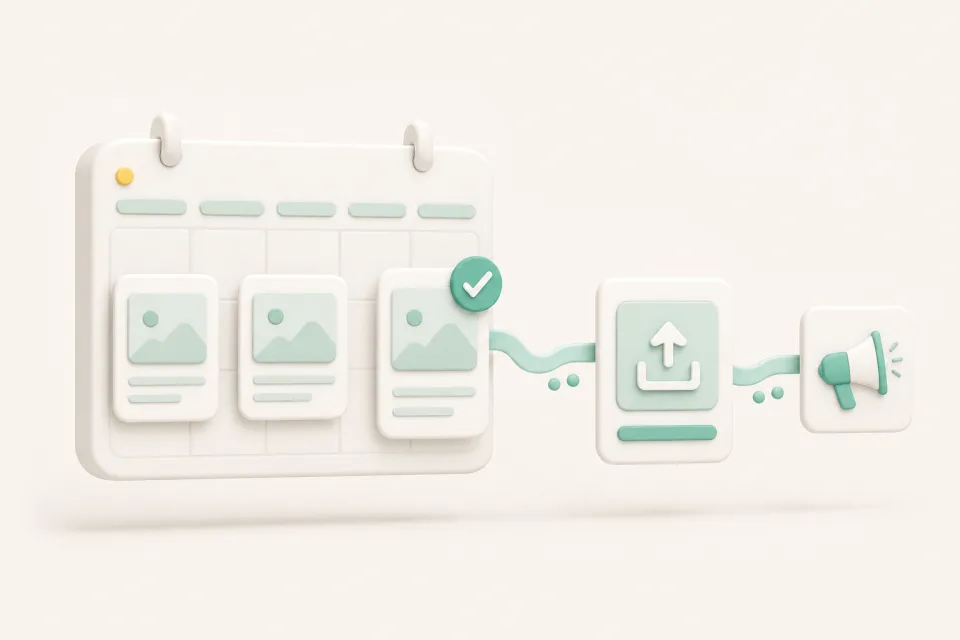
Content works when it is consistent, but hunting for topics and starting from a blank page every time is hard to sustain. Here is why publishing should become a system.
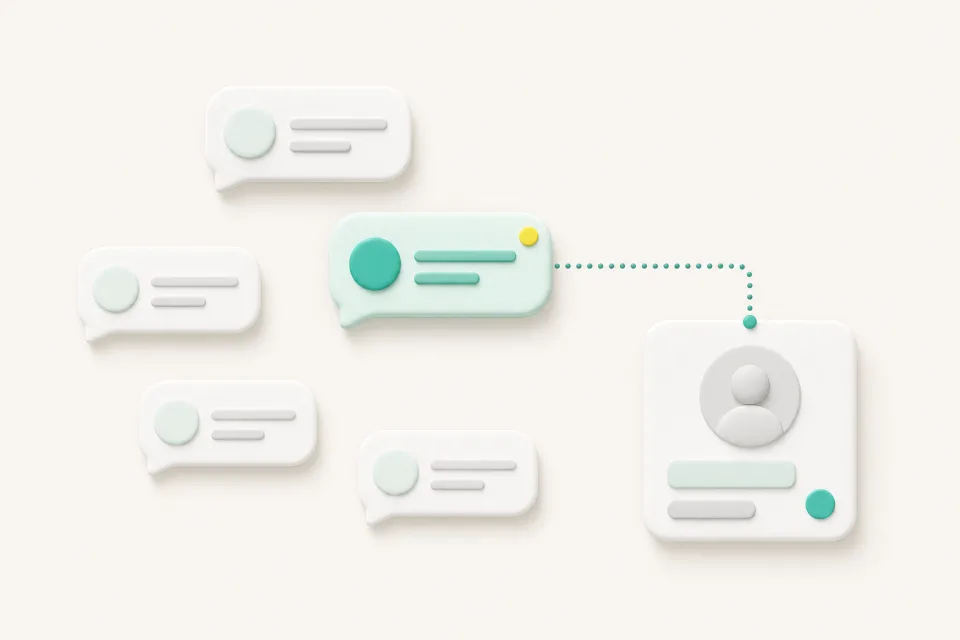
Most inquiries are repeated questions about hours, location, and booking. Here is why a chatbot should handle the repetition and route judgment calls to your staff.