Repeated foreign-language inquiries
If the same questions keep arriving in English, Japanese, Chinese, or another language, staff may be rewriting explanations every time. Reviewed baseline answers on the website stabilize the response standard.
Explaining a service to foreign-language customers is not just translating sentences. The important part is reviewing service scope, FAQs, inquiry paths, and staff handoff rules in each language so customers can make the same decision.
A multilingual website is not a simple translation of the Korean website. It is a reviewed customer journey that helps foreign-language customers understand the same service scope, process, FAQs, and inquiry path.

If the same questions keep arriving in English, Japanese, Chinese, or another language, staff may be rewriting explanations every time. Reviewed baseline answers on the website stabilize the response standard.
When map listings, SNS, blogs, and the website describe the service differently in another language, customers misunderstand scope and booking steps. Language pages fix the reference explanation.
Price context, preparation, booking flow, and visit conditions are easy to misunderstand across languages and cultures. Critical details should appear as FAQs and process explanations, not only short translations.
If translated introductions exist but consultation buttons, phone availability, or handoff rules are missing, customers cannot take the next step. Multilingual pages need conversion paths too.
Service introduction, process, FAQ, and inquiry path order should stay as consistent as possible across languages. That prevents Korean and foreign-language pages from making different promises.
Frequently asked questions should not be left as machine translation. Price, booking, preparation, cancellation, and staff handoff sentences need the same meaning in every language.
Language-specific URLs, page summaries, and search settings help search engines and AI answer systems understand which language each page serves.
Decide who checks foreign-language inquiries and which language is used for replies. If a chatbot or form is used, pass the language context to staff so the inquiry is not handled blindly.
A multilingual website does not guarantee customer acquisition from a specific country. The goal is helping foreign-language customers understand the service without confusion and helping staff respond from a reviewed standard.
Automatic translation can be useful as a draft, but publishing it without review is risky. Service scope, price, booking, and staff handoff wording can affect trust and operations when misunderstood.
Start with the languages already appearing in inquiries and the languages of customers you actually plan to serve. It is safer to begin with languages where you can prepare both customer questions and response ownership.
Yes. Each language needs its own URL, title, page summary, and FAQ basics. Translating the Korean page alone may not give search engines enough clarity about language and intent.
If foreign-language inquiries repeat, it can be considered. But language-specific FAQs and staff handoff rules should come first so automated responses do not create avoidable misunderstandings.
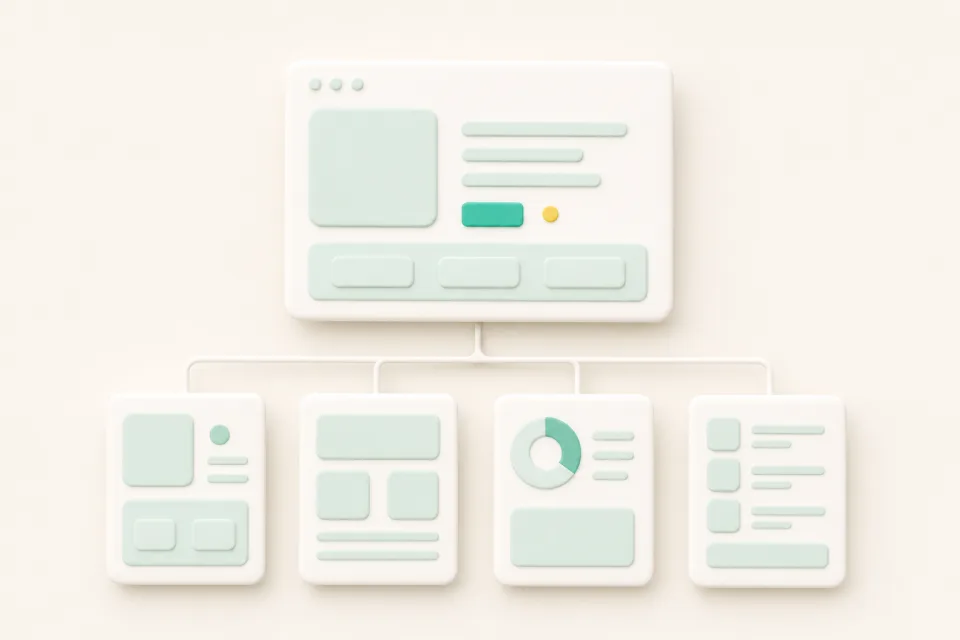
Your website is the base path where customers discover your service in search and AI answers, verify trust, and move to an inquiry. Here are the signs it is time to reorganize it.
GEO prepares your content and data structure so generative AI like ChatGPT can describe your service accurately and cite it as a source when composing answers.