When introduction is the goal
If the goal is a company introduction, contact details, and location to show instead of a business card, building quickly with an AI site builder is a reasonable choice.
As AI site builders and generative AI tools improve, more business owners are building their own websites. This post lays out the criteria for deciding when DIY is enough and when to design the site with an expert.
With AI site builders, you can build a company-introduction website yourself. But if you also need search and AI answer visibility, an inquiry conversion path, consistent information across channels, and ongoing operations, the information structure needs separate design — an area that is safer to scope and run with an expert.
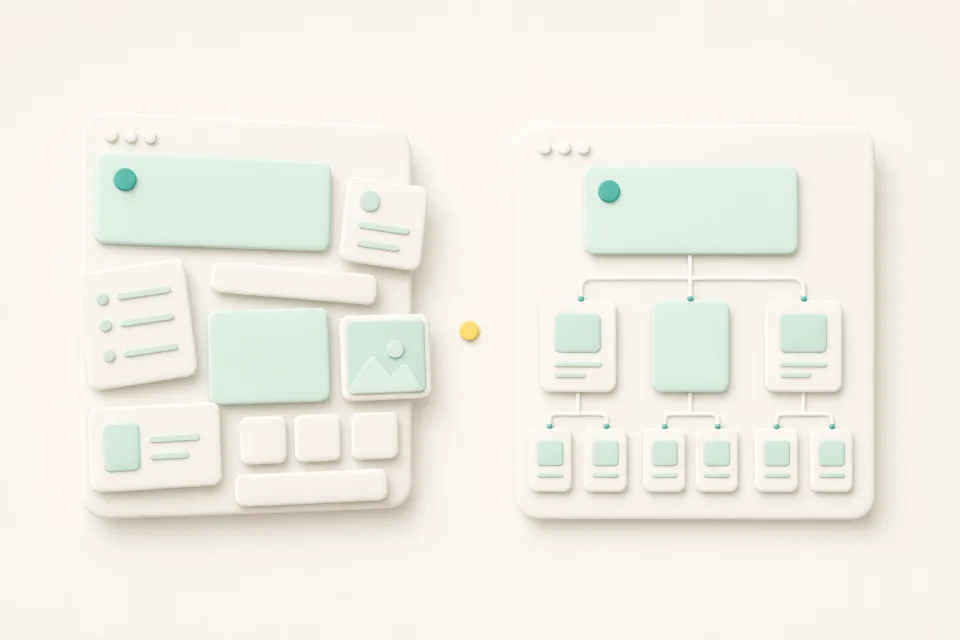
If the goal is a company introduction, contact details, and location to show instead of a business card, building quickly with an AI site builder is a reasonable choice.
If you are gauging reactions before launching a service, speed matters more than polish. Build first, watch the response, and decide the investment scope afterward.
If the page count is small and information like pricing and schedules rarely changes, building and fixing it yourself stays manageable.
AI-generated drafts are hard to use as-is; you need time to refine the copy, images, and contact path yourself. If you can spare that time, DIY is a solid option.
Being readable by search and AI answer environments takes search-intent page separation, metadata, and complete citable sentences. Building screens and building a discoverable structure are different jobs.
Consultation and booking paths matched to page intent, and the response flow after an inquiry, are conversion design rather than screen design. When visitors come but inquiries do not, this design is usually what is missing.
Once the scope grows to per-service pages, per-language search settings, and consistent information across channels, the cost of managing it yourself starts to exceed the cost of commissioning it.
If blog publishing, FAQ additions, and chatbot connection will build on the website, designing the information structure for expansion from the start reduces rebuilding later.
Regardless of the tool, search rankings, traffic, and inquiry volume cannot be guaranteed. The safe order is to define the goal and scope first, decide between DIY and expert work, and then start.
The tool itself does not create a disadvantage. Search visibility is decided by whether the page structure, text information, and metadata are organized around search intent — not by which tool built the site. Even an AI-built site struggles without that structure.
Yes, that is a reasonable order. Use a DIY site early, then commission a structure diagnosis when search traffic and inquiry conversion become necessary. Keeping the domain under your own ownership from the start makes the transition easier.
For a brochure-style website it can be. But if you need search-intent page design, an inquiry path, multiple languages, and connected operations, it is more accurate to also count your own time and trial-and-error alongside the tool cost.
Yes. Without rebuilding, we can audit the current structure, content, and metadata and scope only the improvements. After reviewing your current state and goals in a consultation, we outline the scope you need.
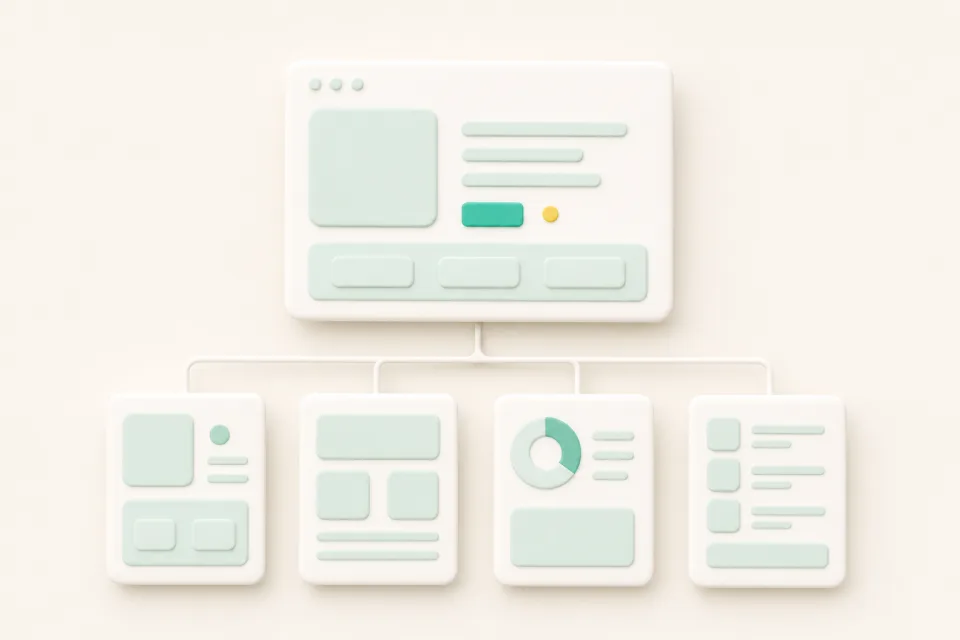
Your website is the base path where customers discover your service in search and AI answers, verify trust, and move to an inquiry. Here are the signs it is time to reorganize it.
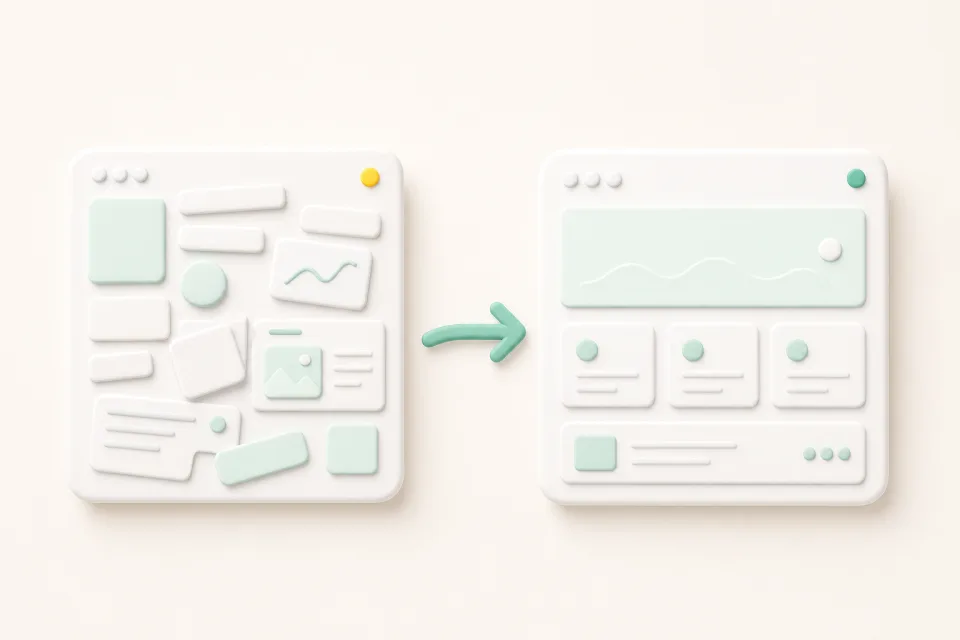
A website redesign is not a visual refresh — it reorganizes structure, content, and inquiry paths around today's customer journey. Here are the signs it is time, and the order to start in.