From answering to doing
A chatbot returns one answer per question. An agent takes a goal like 'turn this week's updates into a post,' then chains the steps — gathering material and drafting — on its own.
Every AI headline now mentions 'agents.' It sounds like another word for chatbot, but it covers something different. This post explains how AI agents differ from chatbots, what work a small business can delegate to them, and what criteria make adoption safe.
An AI agent is an AI that does not stop at answering a single question — it takes a goal, plans the necessary steps, and uses tools like search and document writing to carry out the work. If a chatbot is an AI that answers, an agent is an AI that gets work done within a defined scope.
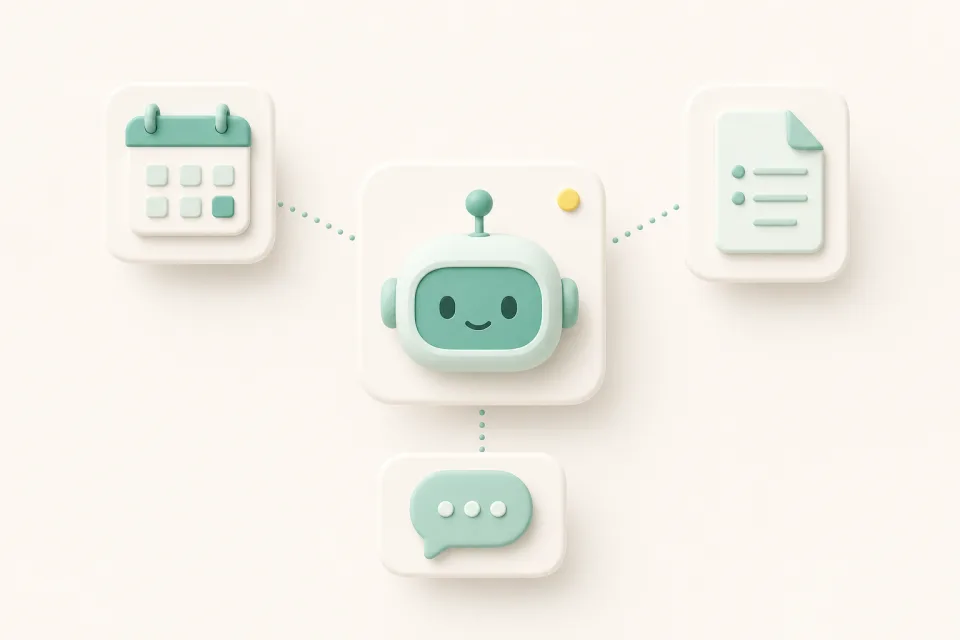
A chatbot returns one answer per question. An agent takes a goal like 'turn this week's updates into a post,' then chains the steps — gathering material and drafting — on its own.
An agent does more than converse. It picks tools like web search, document writing, and schedule checks as the situation requires. The range of tools it can use defines the range of work it can do.
An agent plans the order of work itself and adjusts the next step based on interim results. The flow continues without a person directing every step — the big difference from a chatbot.
Even when an agent moves the work forward, final decisions and anything published externally should pass human confirmation. Splitting what runs automatically from what a person approves is the core of adoption design.
Agents can draft content you produce on a schedule, like blog posts and SNS updates. A flow where the agent drafts and a person reviews and approves before publishing captures both quality and speed.
Set criteria so confirmed answers — hours, location, basic process — are handled automatically, while questions needing judgment, like pricing exceptions or complaints, go to staff. The agent protects the path to consultation rather than deciding answers itself.
Work that takes time but little judgment is a good start: sorting accumulated inquiries by type or summarizing weekly status. Receiving results in a form a person can verify is the premise.
Rather than delegating several tasks at once, start with one well-defined task and widen the scope as you review results. Feeding what review uncovers back into the criteria is what adoption actually looks like.
No one can guarantee that an AI agent will handle every task without people. Starting with tasks that have clear criteria, on the premise of human review and approval, is the safe order of adoption.
A chatbot is a conversational AI that answers questions; an agent takes a goal and performs multi-step work using tools. In practice the two are often combined — a chatbot answers customers up front while an agent organizes inquiries or drafts content behind the scenes.
We don't recommend it. Agents can reference wrong material or miss context, so externally published output and customer responses should pass human review and approval. Start with a narrow automatic scope and widen it as trust builds.
The criterion is recurring work, not company size. If tasks like content publishing, inquiry handling, or status reports repeat every week, you can benefit regardless of headcount. If every task requires fresh judgment, there is no reason to rush adoption.
Pick one task with a clear procedure and criteria. Content drafting or inquiry handling centered on confirmed answers are typical. Document the task's criteria, set the point where a person approves, then review results and widen the scope in that order.

AX adoption is not choosing tools first. It means organizing the customer journey and repeated work under one standard, then connecting the website, content, chatbot, and custom automation in the right order.
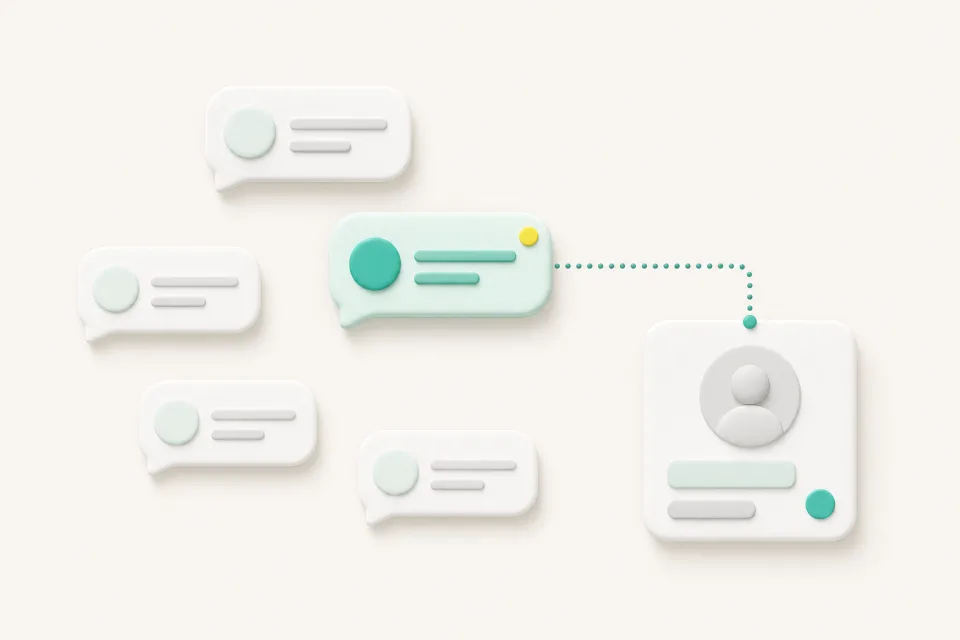
Most inquiries are repeated questions about hours, location, and booking. Here is why a chatbot should handle the repetition and route judgment calls to your staff.