Workflow analysis
We review repeated work together and define automation candidates and priorities.
Workflows that fixed features cannot solve are scoped as separate requirements. Reports, data cleanup, inquiry sorting, and external tool integrations are automated on the premise of an approval flow where operators can review results and handle exceptions.
We review repeated work together and define automation candidates and priorities.
We design custom automation, internal dashboards, and integration structures for CRM, spreadsheets, and external tools.
For language-heavy work such as translation, localization, and multilingual content review, we define handoff criteria.
We build an approval structure where operators can review automation results and handle exceptions.
We produce a current workflow map, automation candidates, multilingual operation scope, integration scope, reviewer roles, and exception-handling criteria.
We confirm the repeated work and requirements in detail.
We define the automatable scope and staged priorities.
We set reviewers, approval flows, and exception criteria.
We start with a small scope, review, and expand.
Rule-based repeated work is the first candidate: report writing, data cleanup, inquiry sorting, content review preparation, and moving data between tools. We review your workflow in a consultation and define the feasible scope.
No. We do not promise unlimited automation. We analyze the work, separate what suits automation from what needs human judgment, and design only the adoptable scope.
We review the tools you use — CRM, spreadsheets, collaboration tools — and define the feasible integration scope in a consultation. When integration is difficult, we review alternative flows together.
An approval flow where operators review results and handle exceptions is part of the design from the start. Changes discovered during operation are scoped and applied.
It depends on the automation scope, the number of tools to integrate, and the complexity of the approval flow. After reviewing your workflow together, we provide staged adoption scopes and cost baselines.

An AI agent is an AI that takes a goal, plans the necessary steps, and uses tools to carry out the work. This post covers how agents differ from chatbots, what small businesses can delegate, and safe adoption criteria.
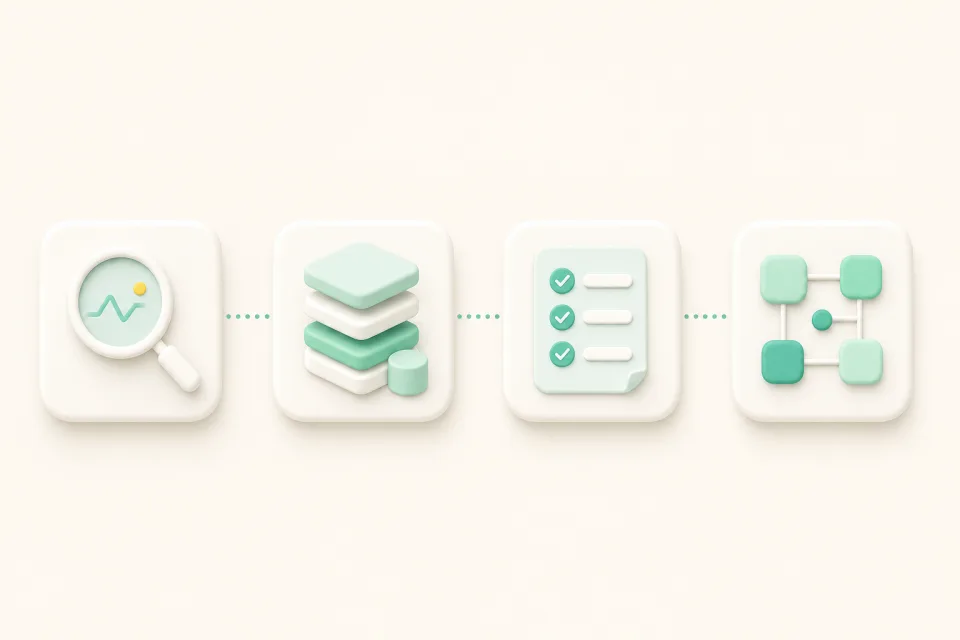
AX adoption is not choosing tools first. It means organizing the customer journey and repeated work under one standard, then connecting the website, content, chatbot, and custom automation in the right order.
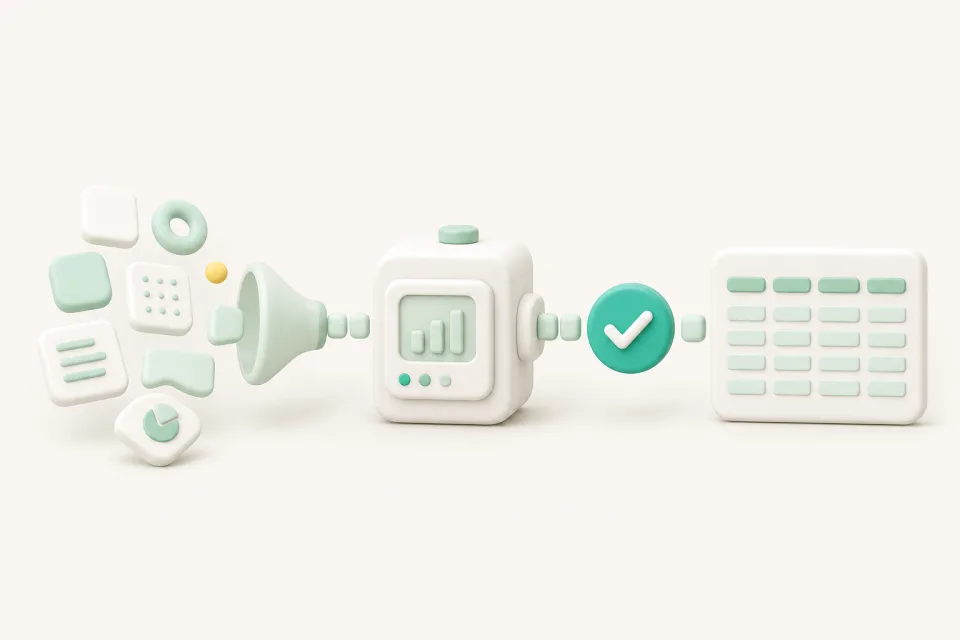
Repeated work that differs per team — reports, data cleanup, inquiry collation — is not solved by standard tools. That is what custom AX discovers and scopes for automation.